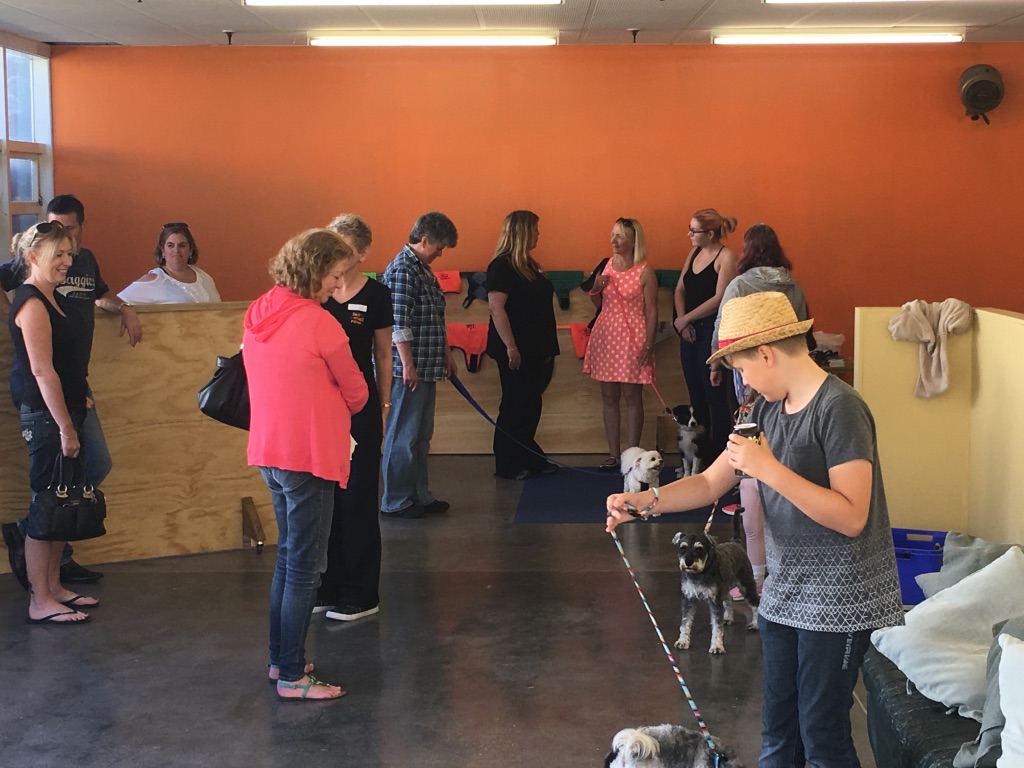

Running a pet business often sounds like a dream job filled with puppy cuddles, but behind the scenes, it requires serious agility. Today, we are diving into a real-world case study from Jeremy Welch, the founder behind the pet daycare Four Small Paws.
His journey offers a candid look at the realities of expanding a service business, managing burnout, and knowing when it’s time to sell.
Jeremy’s expansion into new services wasn’t initially part of a grand master plan; it was driven by necessity.
The Boarding Pivot: During the first set of school holidays, daycare numbers plummeted as clients went on vacation. Realising that daycare alone couldn’t sustain the business year-round, they introduced in-home boarding for “cute, fuzzy dogs,” specifically appealing to clients who were resistant to traditional kennels.
The Grooming Pivot: Grooming was introduced much later (around 2021/2022). Initially, they actively avoided it—the financial math of paying for specialised grooming skills made it difficult to run profitably as a managed service. However, when several local groomers retired or lost council consent, a massive service gap opened up. To manage this, they established grooming as an entirely separate entity called Paws for a groom.
Like any startup, Four Small Paws faced its share of growing pains. Jeremy noted three unexpected challenges that required a steep learning curve:
Managing Personalities: They had to quickly learn how to set firm boundaries with clients who demanded special deals or handling.
Rapid Staff Growth: Expanding from just one employee to four or more within the first year proved to be an intense lesson in team management.
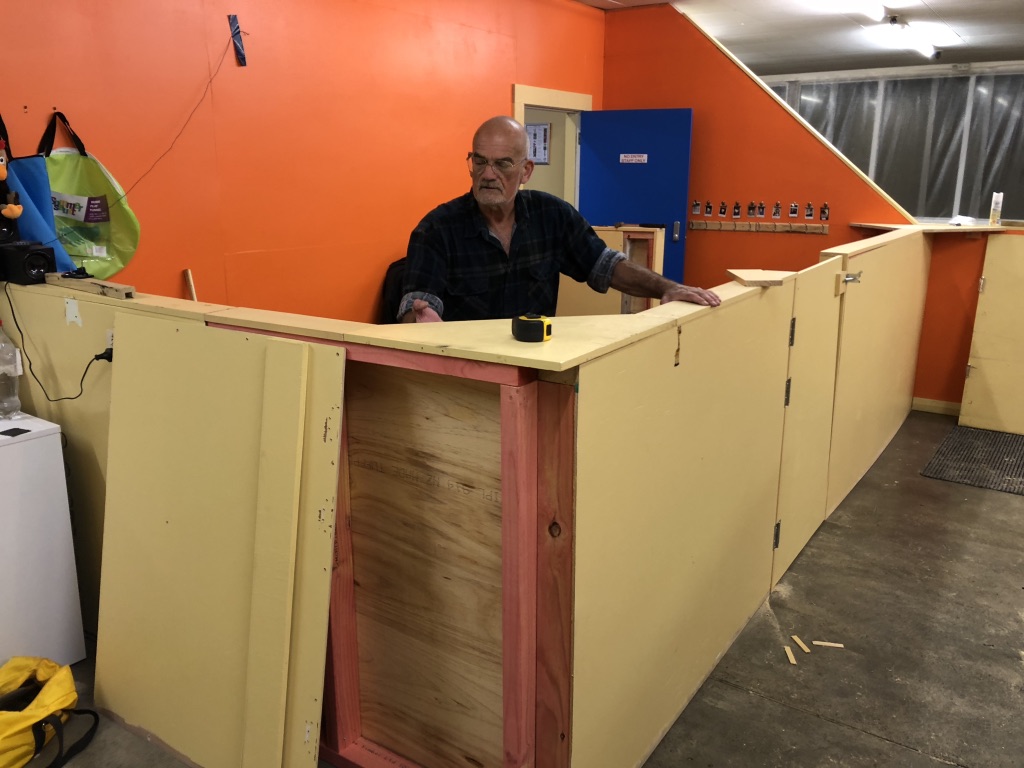
Real Estate Surprises: In their very first year, the landlord unexpectedly leased their site to someone else, forcing Jeremy to rapidly switch gears from business owner to site representative and builder to facilitate an emergency move.
From day one, Jeremy built the business with the intention of eventually selling it. However, the timeline was ultimately dictated by burnout. The zero-growth year during the COVID-19 pandemic completely drained their energy. Rather than holding onto the business for another two years without the drive to sustain it, they decided it was time to exit.
Selling wasn’t easy. Because the business was deemed “too small” to attract agency brokers, they took matters into their own hands and listed it privately on TradeMe. Despite discouraging feedback from some regarding the business’s value, they found a buyer who saw its true potential. Between the sale of the business and the subsequent sale of their building, Jeremy and his team came out ahead financially—though he notes they likely would have made more had they held on for another post-COVID year.
For anyone looking to build or expand in the pet care industry, Jeremy offers some hard-earned advice:
Get the Right Site from Day One: If he had to do it all over again, Jeremy would secure a site that could accommodate both daycare and boarding simultaneously, rather than separating them. Failing that, you need iron-clad procedures for how dogs transition between different services.
Diversify to Survive: Offering a single service doesn’t provide enough depth for a resilient business. Diversifying into daycare, boarding, and grooming expands your revenue streams, customer offerings, and career pathways for your staff.
Do the Math: Always perform thorough financial due diligence before expanding into a new service like grooming.
While they officially announced they were closing up shop, Jeremy is still in the game on his own terms. Today, he runs a highly exclusive boarding operation, retaining only a small handful of “old, cute, or wonderful” clients. It’s a scaled-down model that perfectly fits his current lifestyle.
There’s a lot to learn from Jeremy’s journey—sometimes the best business decisions are the reactive ones, provided you have the boundaries and financial sense to back them up.